Brickwork is one of the most timeless and durable forms of construction. Whether you own a classic historic home, a stately commercial building, or a modern residence with brick accents, you know that brick walls lend a sense of permanence and elegance that is hard to match. However, like all building materials, brickwork requires maintenance to ensure its longevity and structural integrity. One of the most important forms of maintenance for any masonry structure is repointing. While it may not be a term every property owner is familiar with, repointing is absolutely critical in extending the life of your brickwork and protecting your investment for decades to come.
Repointing is the process of renewing the mortar joints between bricks. Mortar is the material that fills the gaps between bricks. While bricks themselves are incredibly durable, mortar is intentionally made softer and more porous. This allows it to absorb minor movements in the structure and act as a sacrificial layer, weathering the brunt of environmental exposure so the bricks themselves remain intact. Over time, however, the mortar can deteriorate due to weather, freeze-thaw cycles, moisture, and even pollution. When mortar joints begin to crack, crumble, or erode, it creates vulnerabilities in the wall that can lead to much larger problems if not addressed.
One of the most significant benefits of repointing is preventing water infiltration. When mortar joints deteriorate, water can seep into the walls, leading to damp patches, mold growth, and even structural damage as the freeze-thaw cycle causes bricks to crack or spall. Moisture entering through failed mortar joints can affect not just the brickwork but also the insulation, wooden framing, and interior finishes. By repointing, you restore the water-resistant barrier of your wall, keeping the interior dry and your building safe from hidden water damage.
How To Best Keep Your Real Estate Structurally Sound
Repointing also plays a crucial role in maintaining the structural stability of your masonry. As mortar weakens and falls out, bricks can shift out of alignment. Over time, this movement can compromise the entire wall, leading to bulging, bowing, or even collapse in extreme cases. Repointing fills those gaps, locks the bricks firmly in place, and restores the structure’s original strength. This is especially important in older buildings, where settling and age can make walls more vulnerable to movement.
Another valuable benefit of repointing is improved energy efficiency. Gaps and cracks in mortar joints allow drafts and cold air to penetrate the building envelope. This not only makes your home less comfortable but also increases heating and cooling costs. By sealing these gaps with fresh mortar, repointing helps the wall perform as intended, a solid, well-insulated barrier against the elements.
Curb appeal is another major advantage to consider. Mortar joints make up a significant portion of what you see when you look at a brick wall. Deteriorated mortar gives a building an aged, neglected appearance, even if the bricks themselves are in good shape. Repointing restores the crisp lines and clean look of your masonry, instantly enhancing your property’s appearance. For homeowners considering selling, well-maintained brickwork can boost property value and attract more buyers by signaling that the home has been properly cared for.
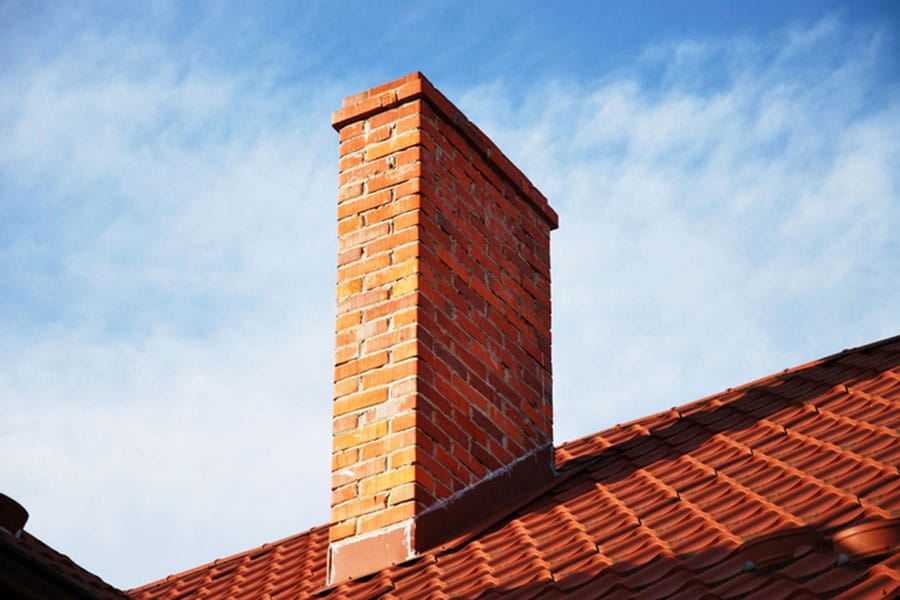
Easily Keep the Original Character of Your Building for Years to Come
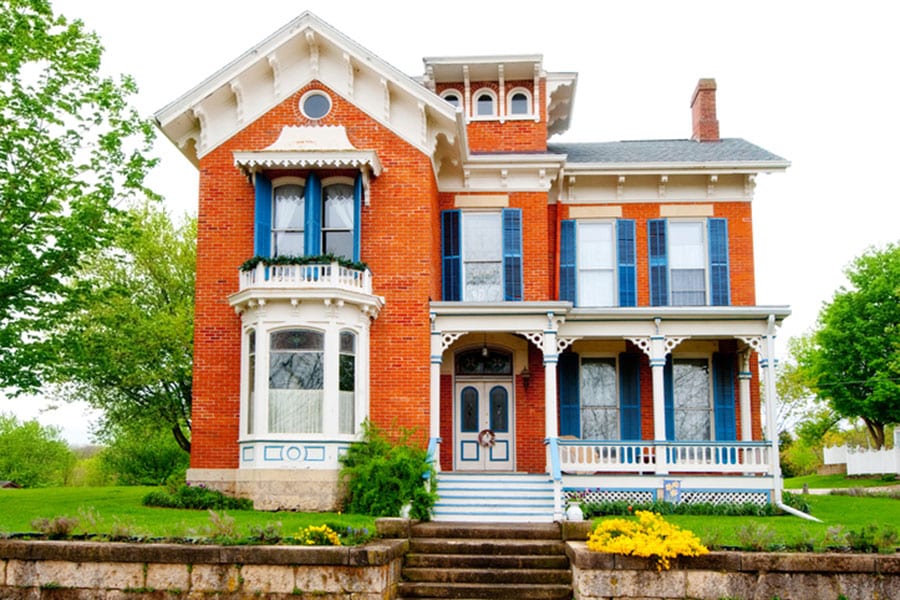
For historic or heritage properties, repointing is essential to preserving the building’s original character. Skilled masons can match the new mortar to the old in color, texture, and composition, ensuring that repairs are virtually invisible. This attention to detail protects the building’s architectural significance and complies with preservation guidelines, which is particularly important for homes and structures in historic districts.
Pest prevention is another often-overlooked benefit of repointing. Crumbling mortar and open joints provide entry points for insects and rodents. By renewing the mortar, you seal off these access points and help keep unwanted pests out of your walls and attic spaces.
Perhaps one of the greatest long-term benefits of repointing is cost savings. Masonry repairs can become extremely expensive if neglected issues are allowed to worsen. Water infiltration, shifting bricks, and structural damage can all require extensive and costly reconstruction. Repointing is a preventive measure that can spare you from these major expenses by addressing the underlying problems early, before they escalate into emergencies.
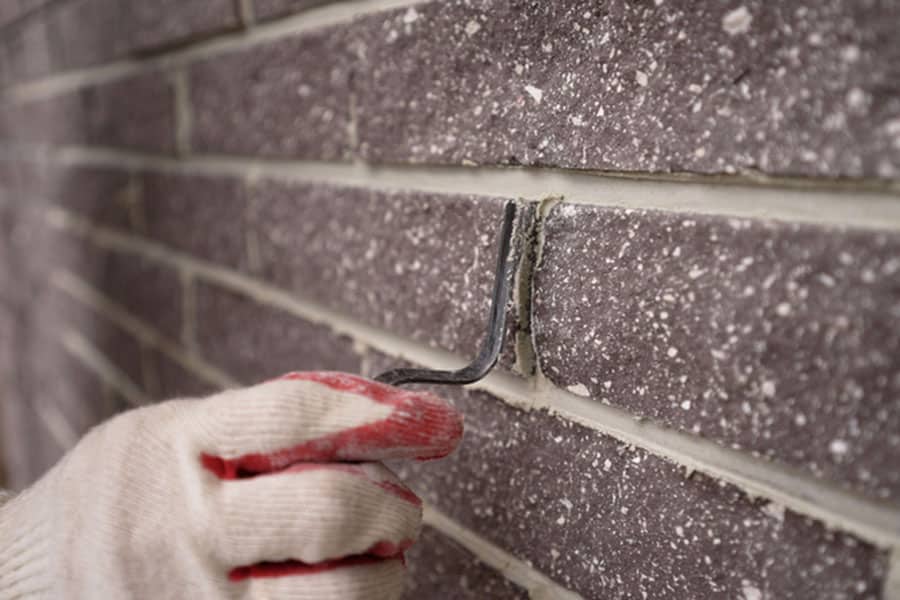
The repointing process begins with a careful assessment of the existing brickwork. Not all joints may require attention, so a skilled mason will identify areas where the mortar is most deteriorated. The damaged mortar is then carefully removed, typically using hand tools to avoid damaging the surrounding bricks. New mortar is mixed to match the original as closely as possible in both appearance and composition.
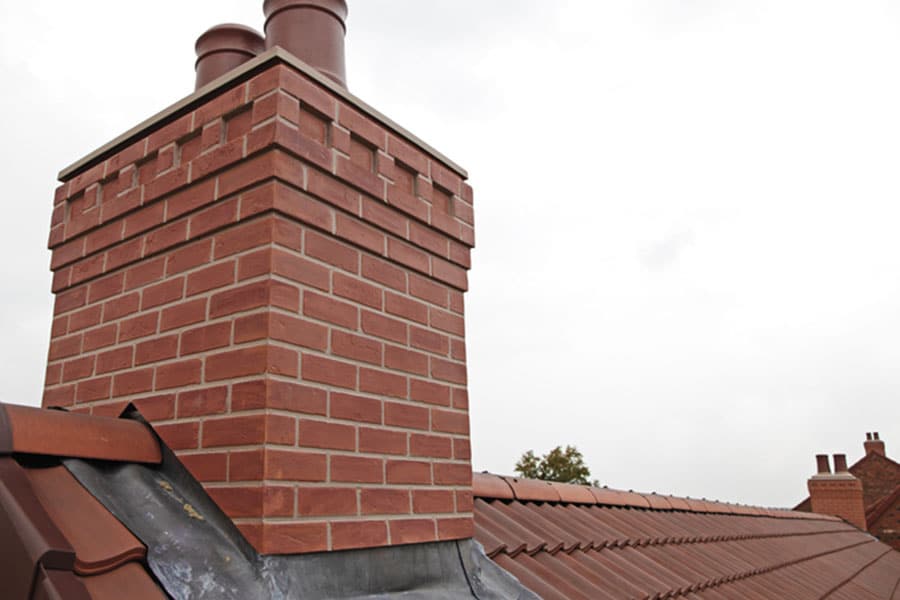
Hiring a Contractor Versus Doing It Yourself
This is important not only for aesthetics but also for compatibility; using a mortar that is too hard or incompatible with the bricks can cause more harm than good. The fresh mortar is then pressed into the joints, compacted, and tooled for a neat, weather-resistant finish. The result is a wall that looks better, performs better, and will last for many more years.
It is always recommended to hire a professional masonry contractor for repointing work. The process may appear straightforward, but it requires a trained eye, proper tools, and knowledge of masonry materials. DIY repairs using the wrong mortar or poor technique can damage the bricks and shorten the lifespan of your wall. Professional masons ensure that the job is done correctly, safely, and with the right materials for your specific building.
Repointing is one of the smartest investments you can make in your brickwork. It prevents water damage, preserves structural integrity, boosts energy efficiency, enhances curb appeal, and protects against pests. For historic buildings, it maintains authentic character while complying with preservation standards. Most importantly, it saves you money by preventing more serious and costly repairs in the future. If you notice crumbling, missing, or cracked mortar, don’t wait for the problem to get worse. Contact a trusted masonry contractor to assess your brickwork and discuss how repointing can extend the life of your investment for years to come.