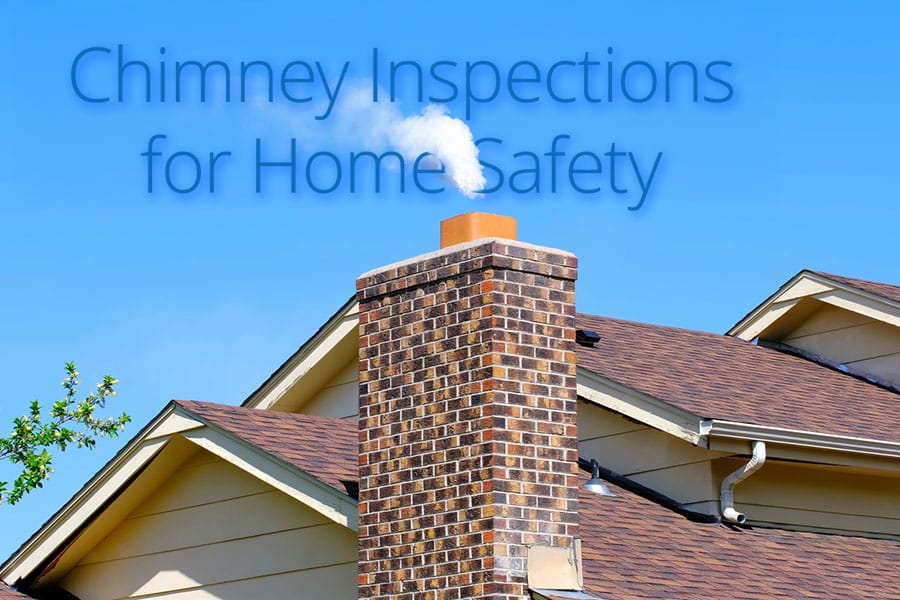
When we think about home safety, smoke detectors, carbon monoxide alarms, and fire extinguishers often come to mind. But for homeowners with fireplaces or wood-burning stoves, there’s another critical component: the chimney.
Chimneys are essential for safely venting smoke and gases from your home, but over time, they can develop hidden hazards. Regular chimney inspections are key to keeping your household safe and preventing costly problems down the road.
Why Chimney Inspections Matter So Much
Chimneys are exposed to intense heat, combustion byproducts, and environmental elements. Over months and years, these factors can lead to deterioration, blockages, and buildup of materials such as creosote, a highly flammable substance created by burning wood.
Without routine inspections, these risks can go unnoticed until they lead to dangerous situations such as chimney fires, carbon monoxide leaks, or structural damage.
One of the most serious threats posed by neglected chimneys is a chimney fire. When creosote accumulates inside the chimney flue, it can ignite and cause a fast-spreading fire. Chimney fires can damage the chimney liner, masonry, and even spread to the rest of the house.
Many homeowners are unaware that their chimneys are vulnerable until a fire occurs. Professional chimney inspections help identify creosote buildup and recommend necessary cleanings, reducing the risk of fire and protecting your home.
Detecting Carbon Monoxide Hazards
Chimneys play a vital role in venting carbon monoxide, a colorless and odorless gas produced by burning fuels. If the chimney is blocked by debris, animal nests, or structural damage, carbon monoxide can seep into living spaces instead of safely exiting your home.
This poses a serious health risk, as carbon monoxide poisoning can be fatal. Regular inspections ensure that chimneys are clear and functioning correctly, giving you peace of mind that your family is safe from this invisible danger.
Identifying Structural Issues
Chimneys are often constructed from brick or stone, materials that can deteriorate over time due to weather, moisture, and shifting foundations. Cracks, loose bricks, and damaged mortar joints may not be visible from the ground but can compromise the chimney’s integrity.
These structural issues can lead to water leaks, masonry collapse, or roof damage. During a chimney inspection, a trained professional will examine the exterior and interior for signs of wear and recommend repairs before they escalate into costly restoration projects.
Here Are Some Other Considerations with Your Fireplace
A properly functioning chimney is essential for ventilation. When smoke and gases are efficiently vented, your fireplace or stove operates safely and efficiently. Blockages or damaged flues can cause smoke to back up into your home, resulting in poor air quality and respiratory issues.
Chimney inspections help confirm that the ventilation system is clear and unobstructed, ensuring your comfort and safety every time you use your fireplace.
Complying with Local Regulations and Insurance Requirements
Many municipalities require regular chimney inspections for homes with fireplaces, especially before a property is sold. Insurance companies may also require inspections to maintain coverage or to process claims related to fire damage.
Staying up to date with chimney inspections can help you avoid legal issues and keep your insurance valid, adding another layer of protection for your investment.
The National Fire Protection Association recommends annual chimney inspections for all wood-burning appliances. Even if you don’t use your fireplace frequently, weather and age can still impact the chimney structure.
Schedule an inspection before the heating season begins and after any major weather events that could affect your chimney’s integrity.
What Happens During a Chimney Inspection?
A chimney inspection typically includes checking for creosote buildup, blockages, structural damage, and proper functioning of the flue and damper.
Some inspections may involve specialized cameras to look deep inside the chimney, ensuring nothing goes unnoticed. At the end of the process, you’ll receive a report outlining any issues and recommended actions.
Choosing a Qualified Chimney Inspector
Not all chimney inspections are created equal. Look for certified professionals with experience in masonry and chimney systems. A reputable inspector will have the tools and knowledge to spot problems and provide honest recommendations for cleaning or repair.
Regular chimney inspections are a simple yet powerful step towards home safety. They protect your property from fire, keep your air clean, preserve your chimney’s structure, and ensure you stay compliant with regulations and insurance.
Don’t wait until you notice problems, but be proactive and schedule an annual chimney inspection. Your family’s safety and the longevity of your home depend on it.