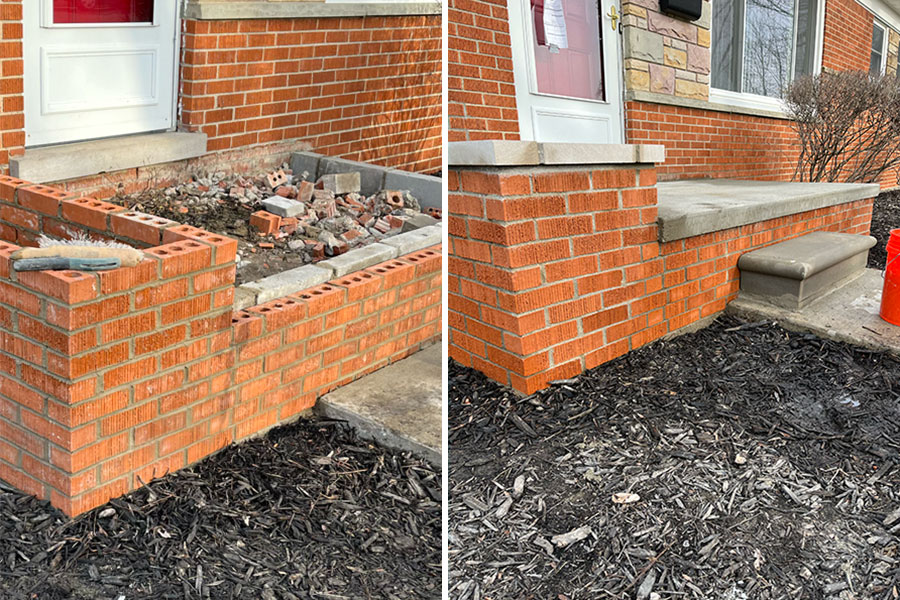
Brick is a timeless building material that graces homes, chimneys, patios, and walkways with beauty and durability. But even the sturdiest brick-and-mortar joints eventually show signs of age, such as cracks, discoloration, efflorescence, or spalling.
If you’re a homeowner noticing worn or damaged brickwork, brick restoration can rejuvenate your property, improve structural integrity, and boost curb appeal. Understanding the restoration process helps set realistic expectations and enables you to make informed decisions.
Here’s a comprehensive step-by-step guide to brick restoration and what you should expect as a homeowner.
- Initial Assessment and Consultation
The first step in brick restoration is a thorough assessment of the affected area. A professional masonry contractor will inspect the brickwork for visible damage, structural concerns, moisture issues, and potential underlying causes.
Common signs include cracked or crumbling mortar, broken bricks, stains, bulging walls, or white powdery deposits (efflorescence). During this consultation, the contractor will discuss your goals, budget, and timeline.
They may offer recommendations for restoration techniques and materials based on your home’s age and style. This is also the time to ask questions about the process, expected outcomes, and any preventative measures you can take in the future.
- Preparation and Setup
Once the scope of work is determined, preparation begins. The work area is cleared of furniture, plants, or obstacles to ensure safety and efficiency. Drop cloths and plastic sheeting are used to protect nearby surfaces from dust and debris.
For exterior restoration, scaffolding may be erected for access to upper walls and chimneys. Contractors set up tools and materials, such as replacement bricks, mortar, cleaning solutions, and pointing tools, to ensure the project runs smoothly.
- Cleaning the Brickwork
Before repairs, thorough cleaning is essential. Over time, dirt, mildew, and efflorescence accumulate on brick surfaces, masking damage and reducing the effectiveness of repairs. Professionals use specialized cleaning methods based on the severity of the buildup and the type of brick.
Low-pressure washing: Removes loose dirt and debris.
Chemical cleaning: Targets stains, moss, or efflorescence with brick-safe solutions.
Manual scrubbing: For delicate or historic brick, gentle hand scrubbing preserves integrity.
Cleaning reveals the true condition of the bricks and mortar, allowing contractors to identify all areas needing attention.
- Tuckpointing and Repointing
Mortar joints are the most vulnerable part of brick structures. Weather, moisture, and settling cause mortar to crack or erode, threatening stability. Tuckpointing or repointing is a restoration technique that involves removing damaged mortar and replacing it with fresh mortar.
Tuckpointing: Often used for decorative purposes, this involves applying two contrasting mortar colors to create a sharp, clean appearance.
Repointing: Focuses on structural repair, removing old mortar and filling joints with matching mortar to restore strength.
Contractors carefully remove deteriorated mortar with hand tools or grinders, avoiding damage to the bricks. New mortar is mixed to match the original color and texture, maintaining the home’s historic character. Each joint is filled and finished to ensure weather resistance and aesthetic appeal.
- Replacing Damaged Bricks
Cracked, spalling, or missing bricks compromise both appearance and structure. Skilled masons carefully remove these bricks, often chiseling out the damaged piece without disturbing surrounding units.
Replacement bricks are sourced to match size, color, and texture, sometimes from salvage yards for older homes. The new brick is set in place with fresh mortar, perfectly aligned to blend with the existing masonry. This step requires precision and attention to detail to ensure a seamless restoration.
- Structural Repairs
In some cases, brick restoration involves more than surface fixes. Bulging walls, sagging chimneys, or moisture intrusion may require additional structural repairs. Contractors may reinforce walls, install new lintels or flashing, or address foundation issues.
Moisture problems are especially common, as water can seep through cracks and eroded mortar, causing long-term damage. Restoration experts may recommend waterproofing treatments, drainage improvements, or other solutions to protect your brickwork from future harm.
- Final Cleaning and Finishing
After repairs and replacements, the brickwork undergoes a final cleaning. Any mortar smears, dust, or stains are carefully removed, revealing the fresh, restored surface. Contractors may apply sealants or waterproofing products to prolong the life of the brick and mortar.
For decorative projects, they may use tinted stains or washes to achieve a uniform color, especially if new bricks or mortar do not match perfectly. The finishing touches bring out the beauty of your restored brickwork.
- Inspection and Quality Assurance
A reputable contractor will conduct a thorough inspection of the completed project, checking for proper alignment, strong joints, and uniform appearance. They’ll ensure that structural repairs meet code requirements and that all materials are properly cured and weatherproofed.
You’ll have an opportunity to review the work and ask questions. Contractors typically provide maintenance tips and suggest follow-up care, such as periodic inspections or cleaning schedules.
- Maintenance and Prevention
Brick restoration is an investment that pays off in longevity and aesthetics. To maintain your restored brickwork, follow these guidelines:
Inspect annually: Look for cracks, stains, or shifting bricks.
Clean gently: Use mild solutions and avoid harsh chemicals or pressure washers.
Monitor drainage: Ensure gutters and downspouts direct water away from masonry.
Seal when necessary: Reapply waterproofing products as recommended.
Preventative maintenance helps avoid costly repairs and keeps your brickwork looking beautiful year-round.
Final Thoughts on Your Next Restoration Project
Brick restoration is a multi-step process requiring skill, care, and attention to detail. From initial assessment to final inspection, homeowners should expect clear communication, expert craftsmanship, and results that revive both the beauty and strength of their brickwork. Whether your home is historic or contemporary, investing in brick restoration not only preserves its character but also enhances its value and curb appeal.
By working with experienced masonry professionals, you ensure that each phase from cleaning and repointing to replacement and finishing is handled properly. The result is a home that stands tall, looks stunning, and remains structurally sound for generations to come. Brick restoration isn’t just a repair, it’s a renewal, a commitment to quality, and a testament to the timeless appeal of brick.